Improve indoor air quality and energy efficiency
in your New Jersey home with ERVs and HRVs.
Discover the benefits of energy- and heat-recovery ventilators, including humidity control, heat exchange, and reduced energy costs for year-round comfort.
ERVs and HRVs
Introduction
Additionally, New Jersey prioritizes energy efficiency and indoor air quality. Furthermore, Energy Recovery Ventilators (ERVs) and Heat Recovery Ventilators (HRVs) are essential components of modern HVAC systems. Both ERVs and HRVs are designed to improve air quality while maintaining energy efficiency, but they function in slightly different ways. Additionally, we’ll compare ERVs and HRVs, explain how they work, and identify the best fit for your New Jersey home.
1. The Basics of ERVs and HRVs
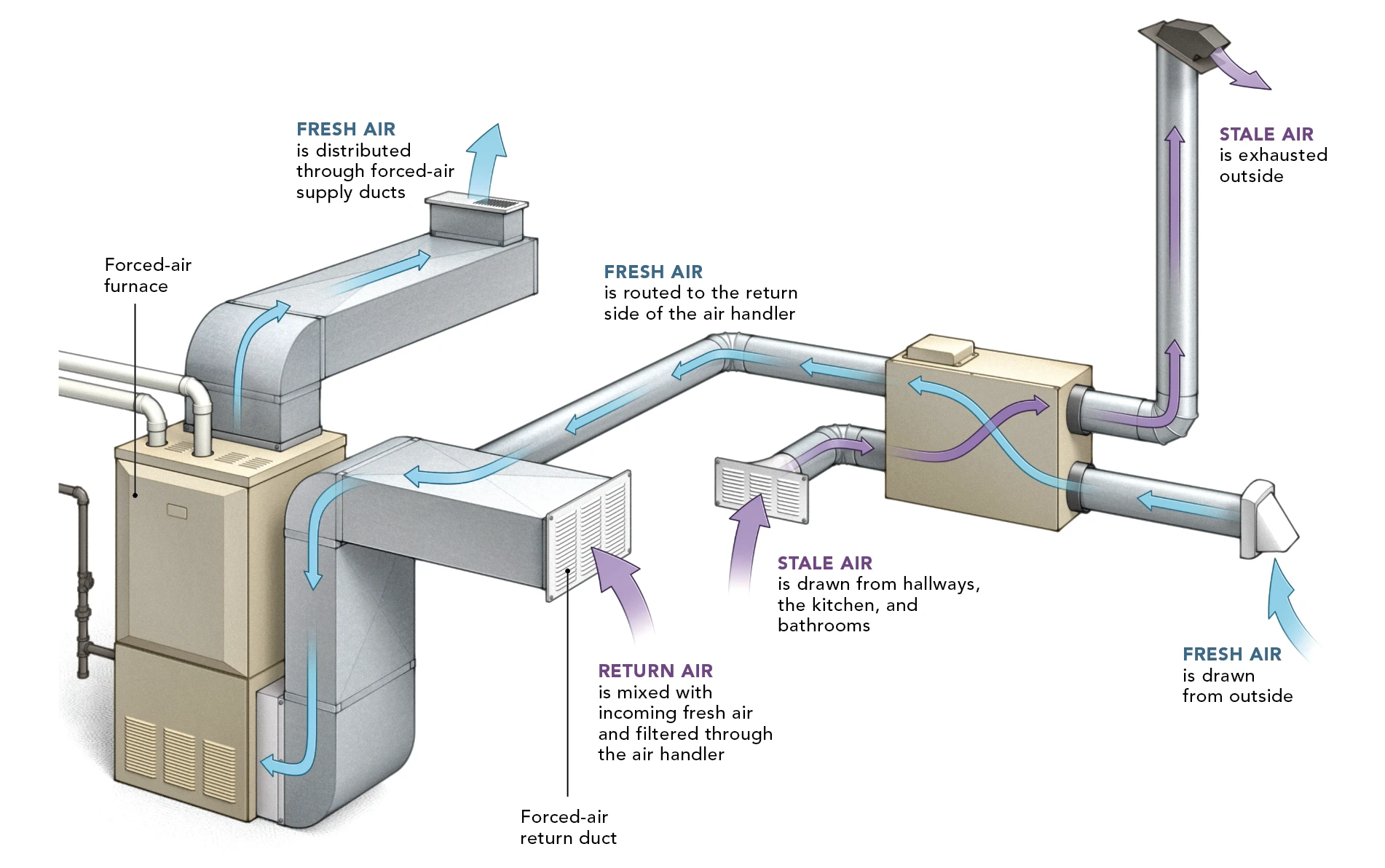
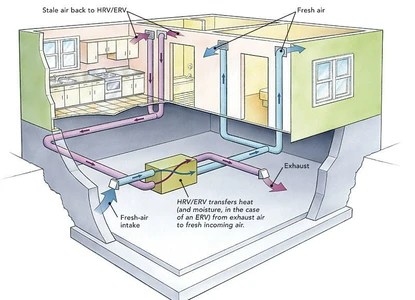
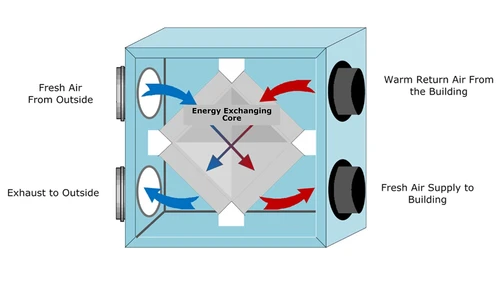
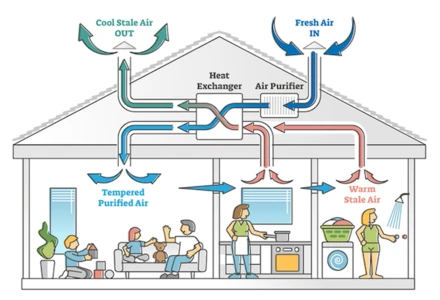
Both ERVs and HRVs are ventilation systems designed to exchange stale indoor air with fresh outdoor air, all while minimizing energy loss. These systems are crucial for improving indoor air quality by removing contaminants, odors, and excess moisture from the air. However, the primary difference between the two lies in how they handle humidity and heat.
ERV vs. HRV
2. Humidity Control: ERVs’ Advantage
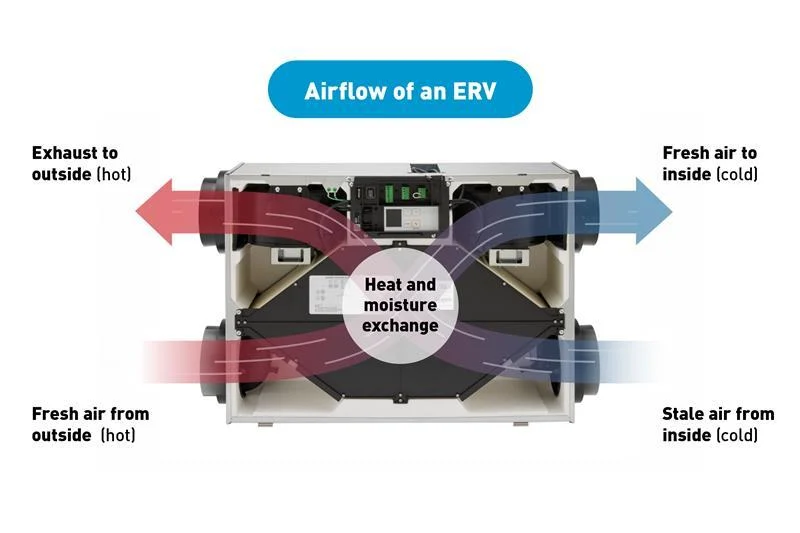
In New Jersey , where dry conditions can be common, humidity control is an important consideration. ERVs are designed to transfer moisture between the outgoing and incoming air streams, which can help maintain a comfortable indoor humidity level.
How ERVs Control Humidity
During the cooling season, ERVs prevent too much dry outdoor air from entering your home, helping to maintain a balanced indoor environment. In the winter, when indoor air can become too dry, ERVs transfer moisture back into the home to prevent the air from becoming excessively dry.
Benefits of ERVs
For homes in New Jersey, where maintaining the right humidity level can be a challenge, ERVs provide an effective solution. They ensure that your home remains comfortable without excessive dryness or moisture, contributing to improved indoor air quality and overall comfort.

3. Heat Exchange Efficiency: HRVs’ Strength
While ERVs are great for managing humidity, HRVs excel at heat exchange. HRVs are designed to recover heat from the outgoing air and transfer it to the incoming fresh air. This process is particularly beneficial during the winter when retaining heat is essential for maintaining indoor comfort.
How HRVs Work
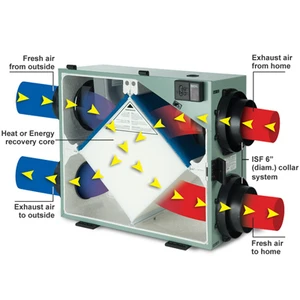
HRVs capture the heat from the outgoing stale air and transfer it to the fresh incoming air. This reduces the amount of energy needed to heat the incoming air, making the system more energy-efficient. In the summer, the process reverses, helping to keep your home cool by preventing heat from entering.
Benefits of HRVs
For homes that experience cold winters or use heating systems extensively, HRVs can improve energy efficiency by reducing the need for additional heating. While Norther Jersey has relatively mild winters, HRVs can still provide energy savings in homes that rely heavily on heating systems during cooler months.
4. Climate Considerations: Which System Is Best for New Jersey?
Choosing between an ERV and an HRV largely depends on the climate in which you live. Norther Jersey climate is characterized by mild winters and warm, dry summers, which makes humidity control an important factor for many homeowners.
ERV for New Jersey
Given Norther Jersey dry conditions, an ERV is often the better choice for most homes. The ability to manage both heat and moisture makes ERVs more suitable for maintaining indoor comfort year-round.
HRV for New Jersey
HRVs can still be a good choice for homes that prioritize energy efficiency and do not require as much humidity control. If your home experiences more heat loss or gain, an HRV may be the better option for maximizing heat recovery.
5. Energy Efficiency: A Key Benefit of Both Systems
Both ERVs and HRVs contribute to energy efficiency by reducing the amount of energy needed to heat or cool fresh incoming air. These systems recycle energy from the outgoing air, reducing the overall load on your HVAC system.
Energy Savings
Installing an ERV or HRV in your home can result in lower energy bills, as your HVAC system won’t need to work as hard to maintain your desired indoor temperature. This is especially beneficial in Norther Jersey, where energy costs can be high during both the cooling and heating seasons.
6. Maintenance and Lifespan
Regular maintenance is key to ensuring that your ERV or HRV functions efficiently. Both systems require periodic cleaning and inspection to remove dust, debris, and potential blockages from the air filters and heat exchangers.
Maintenance Tips
With proper maintenance, both ERVs and HRVs can last up to 15-20 years, providing long-term energy savings and air quality benefits.
7. Cost Considerations
The cost of installing an ERV or HRV will depend on the size of your home, the complexity of the system, and the specific model you choose. In general, ERVs tend to be slightly more expensive due to their added humidity control capabilities.
Investment in Air Quality
While the initial cost of installing an ERV or HRV may be higher, the long-term energy savings and improved indoor air quality can make the investment worthwhile. Norther Jersey homeowners who prioritize energy efficiency and comfort will find that both systems offer excellent returns over time.
8. Integration with Existing HVAC Systems
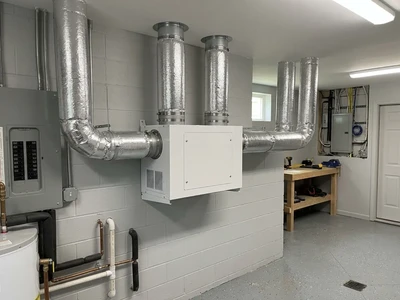
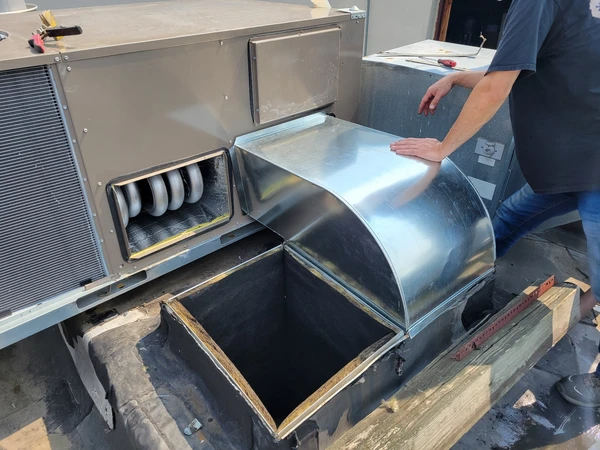
Both ERVs and HRVs can be integrated into most existing HVAC systems, making them a flexible option for homeowners looking to upgrade their ventilation without a full system replacement. Whether you have a traditional HVAC system or a ductless mini-split system, an ERV or HRV can be easily added to enhance air quality and efficiency.
Conclusion
ERVs and HRVs both offer significant benefits for Southern California homes, from improving indoor air quality to enhancing energy efficiency. While ERVs are better suited for managing humidity in drier climates, HRVs excel at heat recovery, making them ideal for homes that prioritize energy efficiency. Choosing the right system depends on your home’s specific needs, but either option can provide long-term benefits in terms of comfort, air quality, and energy savings. Stay tuned for our next blog, where we will explore humidification and dehumidification equipment and how they can further enhance indoor comfort.
Contact OLTROM
For expert advice on ERVs, HRVs, and other energy-efficient ventilation systems, contact OLTROM today. Our technicians can help you choose the best system for your home and ensure it integrates seamlessly with your HVAC setup.
Call us at 201-213-1674 or visit our website to schedule your consultation.
We proudly serve Norther Jersey , including Los Bergen County and Passaic County.
Explore Project
Our Project
- All Work
- Commercial HVAC
- Commercial Refrigeration
- Residential HVAC